Afghanistan’s authorities are looking to accelerate the development of the country’s poultry industry by speeding up the allocation of agricultural land to investors, as officials say the sector continues to expand.
Representatives of the Afghanistan Chamber of Agriculture and Livestock said faster land transfers to poultry investors could help the country achieve self-sufficiency in chicken meat production in the near future.
In a statement distributed through the local media, officials from the Ministry of Agriculture, Irrigation and Livestock said the poultry industry have experienced steady growth in recent years, supported by significant private investment.
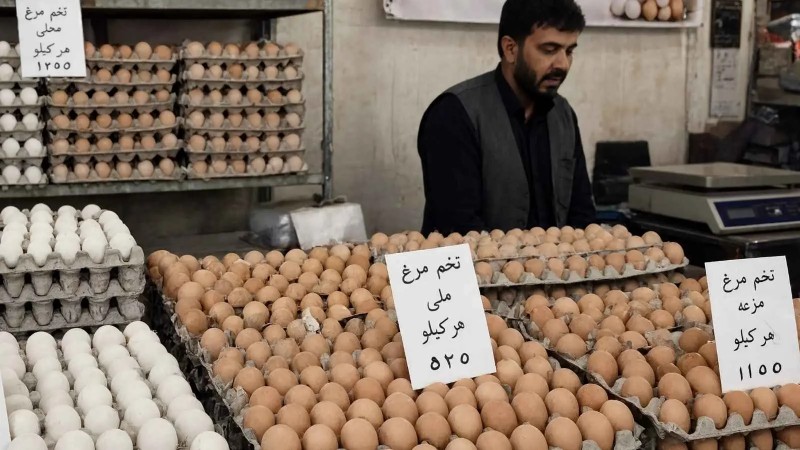
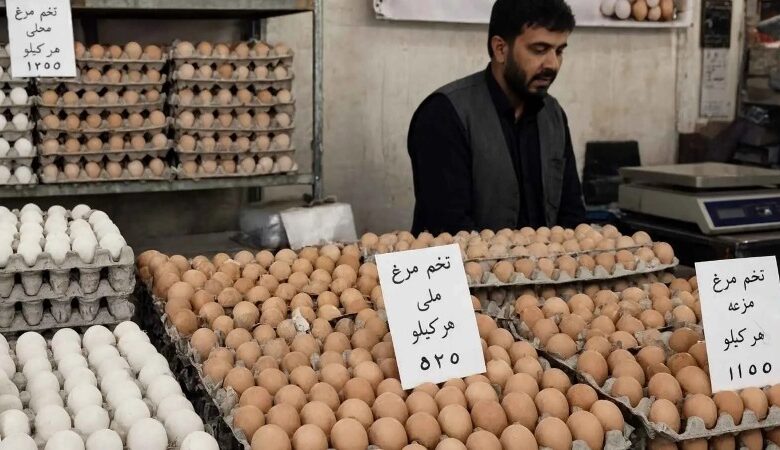
According to the Ministry of Agriculture, Irrigation and Livestock, domestic production capacity has expanded substantially across chicken meat, table eggs, poultry feed and day-old chicks, with further growth underway. Image created with the help of AI (Reve).
According to the ministry, domestic production capacity has expanded substantially across chicken meat, table eggs, poultry feed and day-old chicks, with further growth underway. Continued development of the sector could play an important role in meeting domestic demand while reducing reliance on imports.
Self-sufficiency in sight?
Little reliable information has been published about the state of Afghanistan’s poultry industry since the Taliban returned to power. Around 14,000 poultry farms are currently operating across Afghanistan, providing direct employment to about 100,000 people and indirect employment to another 300,000. Afghan authorities say the country is approaching self-sufficiency in poultry meat and poultry feed, although they have not disclosed detailed figures.
According to Afghanistan National Agricultural Sciences and Technology University, the country produces around 219,000 tonnes of poultry meat per year, while annual demand is estimated at about 295,000 tonnes. Current domestic availability of poultry meat covers only around 46% of the per capita intake recommended by the World Health Organization.
Researchers said the industry’s development continues to be constrained by numerous challenges, including traditional farming practices, inadequate infrastructure, limited technical expertise, disease outbreaks, the uncontrolled use of antimicrobial agents and poor-quality production inputs.
Despite these challenges, researchers at the university forecast that poultry production will grow by an average of 13% per year over the next few years, surpassing 400,000 tonnes by 2030.
New projects
The latest push follows a series of major investments in the sector. Earlier this year, construction began on a US$60 million poultry complex in Mazar-i-Sharif, backed by Afghan and Uzbek investors.
The project, which is being built on a 400-jerib (around 80-hectare) site in Balkh province, is designed to produce up to 45,000 tonnes of broiler meat and 360 million eggs annually once completed. Scheduled to begin operations within 3 years, the complex is expected to significantly strengthen Afghanistan’s self-sufficiency in poultry meat and egg production.
Vlad Vorotnikov
Source: foodagribusiness (23/7/2026)