Influence of litter substrates on production, egg quality and welfare indicators of hens

Hens’ welfare indicators such as integument condition, dustbathing, and foraging behaviours can be influenced by the litter substrate, but the resultant impact of litter substrate on performance and egg production remains unclear.
Swedish scientists from the University of Uppsala investigated the impact of 4 litter substrates on various welfare parameters and productivity in laying hens. These substrates included wood shavings, peatmix (wood shavings mixed with peat), biochar (wood shavings amended with biochar), and microbial additive (wood shavings amended with microbial additive).
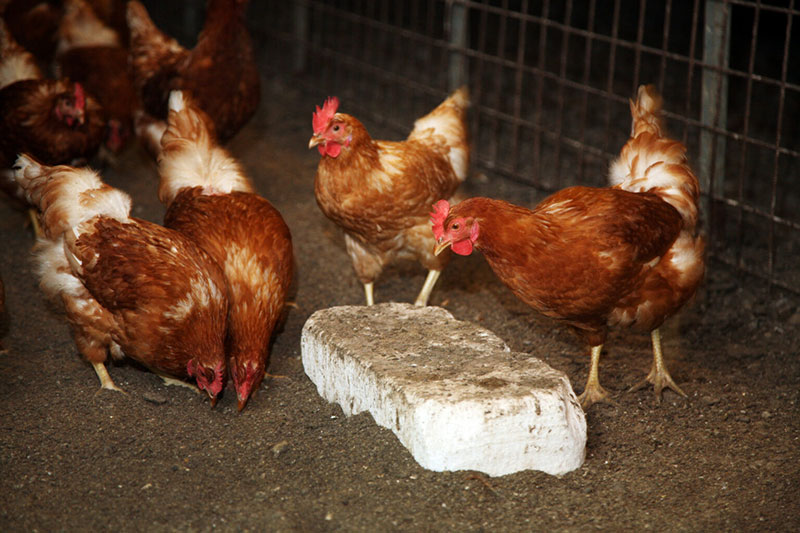
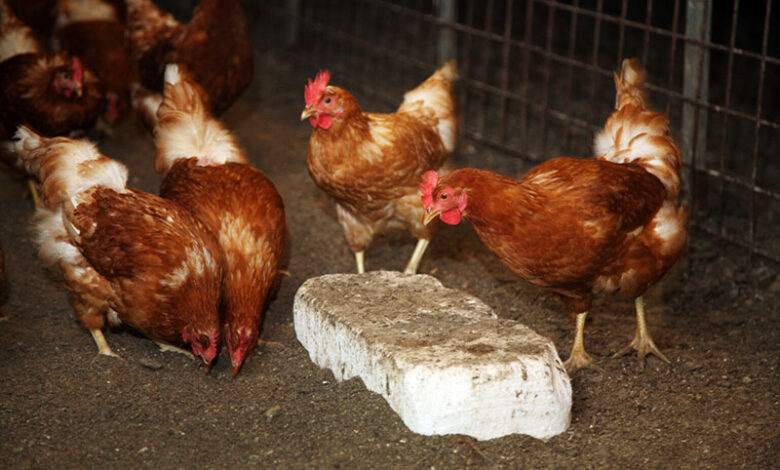
Litter substrate type affects key hen welfare measures, including integument health, dustbathing, and foraging. Photo: Herbert Wiggerman
A total of 1,600 Bovan White hens were housed in groups of 100 in 16 identical pens (floor housing system). Treatments were randomly assigned to the pens and there were 4 replicate pens per treatment. Pullet placement was performed at 15 weeks of age and the trial lasted until 50 weeks of age. Equal dry matter of substrates was provided across treatments.
Production parameters and welfare indicators
Recorded production parameters such as mortality, apparent feed intake, egg production, and feed conversion ratio, egg quality, and proportion of cracked egg were not affected by litter substrate.
High mortality and culls were recorded across treatments due to a general incidence of injurious pecking. However, culls due to pecking injuries were lowest in the peatmix compared to the biochar treatment, suggesting a reduced level of injurious pecking among peatmix hens.
Welfare indicators such as litter and perch usage, foraging, fearfulness, and integument conditions were not affected by litter substrate. However, lying in the litter was observed less in peatmix compared to wood shavings.
Egg quality and condition
The proportion of cracked eggs increased with hen age (P<0.001) whereas the proportion of dirty eggs decreased with hen age (P<0.001). Egg albumen height and haugh unit decreased with increasing storage time and hen age (P<0.001).
The results of this study did not show any major effect of litter substrate on production performance and welfare in laying hens. This may indicate that the hens adapted in a similar manner in terms of litter usage when litter substrates were provided as a single choice materials.
The study is entitled ‘Influence of litter substrates on production, egg quality, and welfare indicators in laying hens’.
Tony McDougal
Source: poultryworld