New outbreaks of avian influenza in Poland are taking an increasing toll on the country’s egg industry and could undermine export performance in the coming months, industry representatives said.
Poland has recorded dozens of bird flu outbreaks since the beginning of 2026. The disease has affected multiple key poultry-producing regions, triggering culling measures and strict biosecurity protocols that have not just disrupted production, but also weighed on farmer confidence.
The impact is increasingly visible in the national flock. Since autumn 2025, Poland’s laying hen population has fallen by around 7.5 million birds, or roughly 15% of the total, according to industry estimates.
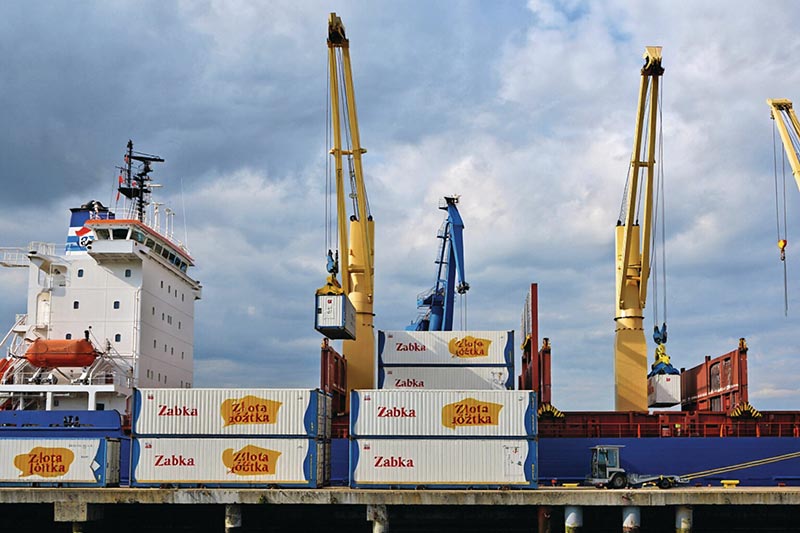
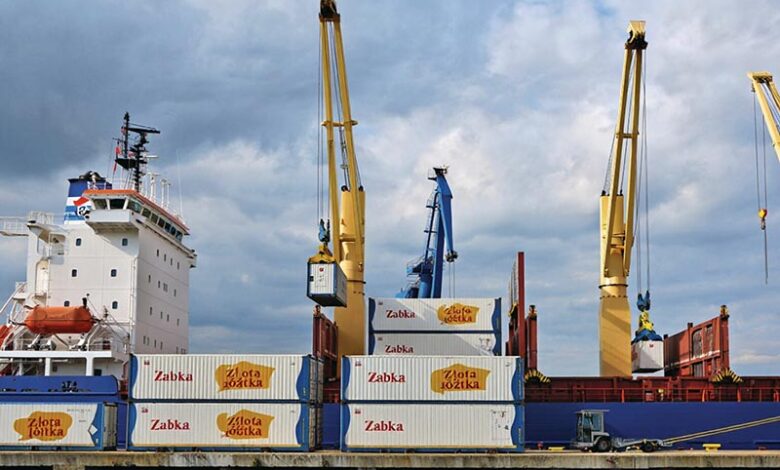
Polish producers are facing intensifying competition in export markets, particularly within the European Union. Image created with the help of AI (Reve)
Producers say the losses are particularly acute in areas with high farm density, where outbreaks tend to spread more quickly. Rebuilding capacity will take several months, farmers told local publication Wieści Rolnicze. However, with new outbreaks reported almost weekly, a sustained recovery remains uncertain, and some producers are delaying restocking due to the risk of further losses.
Limited immediate export impact
In March 2026, Poland’s chief veterinary inspectorate imposed restrictions on egg exports from affected regions to North Macedonia, Bosnia and Herzegovina, and Kyrgyzstan. These measures alone are unlikely to significantly affect overall export volumes, said Katarzyna Gawrońska, president of the National Chamber of Poultry and Feed Producers.
“North Macedonia has never been a major buyer of Polish eggs, so these restrictions are not expected to materially disrupt the supply chain,” she said.
However, exports remain a critical pillar of the sector. Between 35% and 45% of Poland’s egg production is sold abroad, Gawrońska estimated. Strong export demand has also helped Polish farmers remain flexible in their pricing strategies, allowing them to balance domestic supply and keep retail prices relatively competitive despite tightening output.
Rising competition adds pressure
Meanwhile, Polish producers are facing intensifying competition in export markets, particularly within the European Union.
“One of our key challenges is the growing presence of non-EU suppliers such as Ukraine, Turkey, and Brazil in the European market,” Gawrońska said, noting that these suppliers are increasingly competitive on price.
Local press warned that if the outbreak situation does not stabilise in the coming months, the cumulative impact could weaken Poland’s position in key export markets and slow the pace of recovery well into 2027.
Vladislav Vorotnikov
Source: PW (24/04/2026)