A prolonged blockade in the Strait of Hormuz has resulted in a severe feed shortage for UAE poultry producers, pushing some small and medium-sized farms to halt production.
The ongoing Strait of Hormuz blockade has sparked a severe feed shortage in the UAE, forcing some small- and medium-sized poultry farms – those with limited storage – to halt operations. Sharjah and Ras Al Khaimah are hardest hit, fueling new food security worries. Rerouted shipments help somewhat, but costs and delays linger. X posts and local media confirm major delivery disruptions to poultry farms in these emirates.
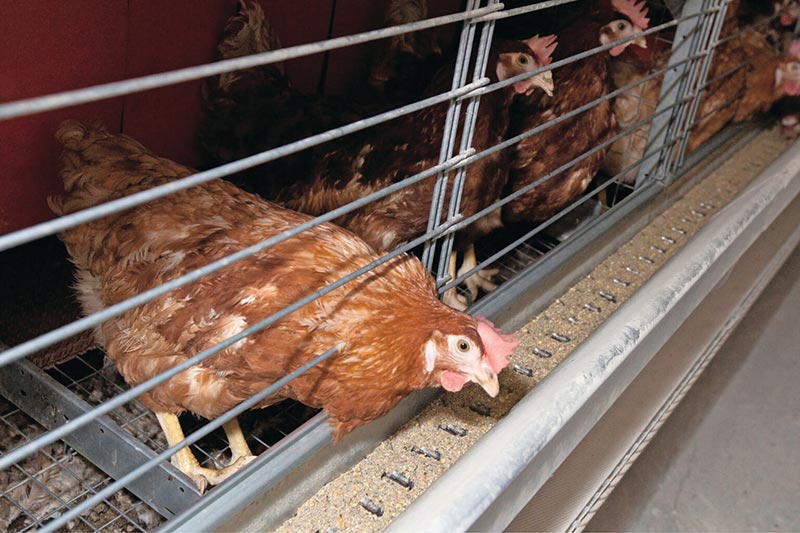
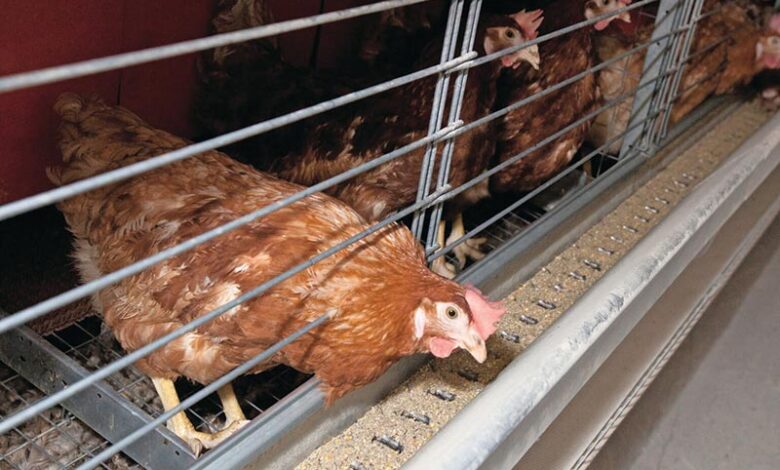
The Strait of Hormuz blockade continues to cause major feed shortages in the UAE. Photo: Koos Groenewold
Several smaller farms have already halted production, raising concerns over food security, according to an anonymous industry source writing on X. Some shipments have been rerouted through alternative channels, but at higher cost and with longer transit times.
Small UAE poultry farms hit hardest
The poultry sector has been among the hardest hit by the crisis, the source said. Feed available on the domestic market has risen sharply in price, while volumes are often insufficient to raise broilers to market weight, according to Feedlot, an industry news outlet. Small farms without their own agricultural land are seen as especially vulnerable, as they depend almost entirely on outside suppliers.
“Only the largest players will be able to survive, while small businesses are being forced out of the market,” the publication said.
UAE poultry industry relies on imports
However, the broader impact on the UAE’s food security may be overstated. Domestic poultry production has been expanding in recent years, although it still falls short of meeting local demand. In 2025, UAE broiler meat production rose 17% to between 70,000 and 75,000 tonnes, according to the US Department of Agriculture.
The UAE still relies heavily on imports, sourcing around 70-75% of its poultry consumption from abroad. Brazil remains the dominant supplier, shipping around 400,000 tonnes to the country in 2025, followed by South Africa and several other exporters.
Limited farmland and water scarcity also leave the country dependent on overseas grain shipments.
Exporters seek new markets
Major poultry exporters to the UAE market are also preparing for the fallout. South Africa’s poultry industry is seeking alternative outlets for around 50,000 tonnes of poultry it exports annually to the UAE, according to the South African Poultry Association (SAPA).
“If the current war situation in the Middle East prevents ships from delivering produce, that produce will be sold in South Africa as frozen chicken or cooked products and will therefore not be lost,” said Izaak Breitenbach, chief executive officer of SAPA.
Vladislav Vorotnikov
Source: PW (23/04/2026)