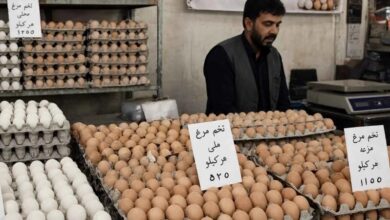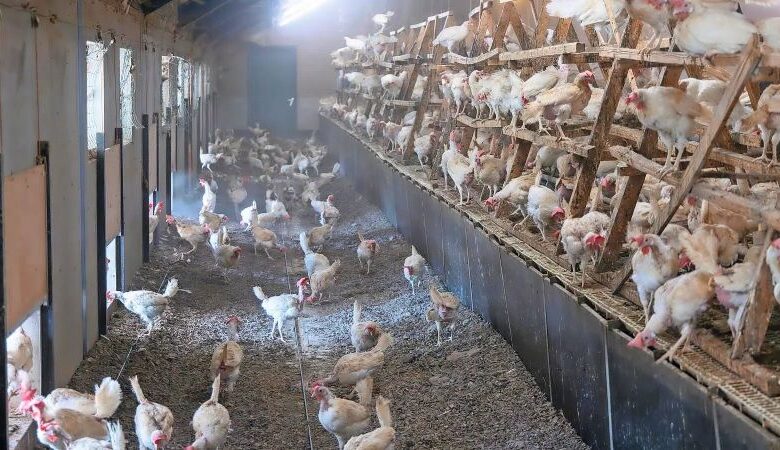
Argentina has regained its avian influenza‑free status, paving the way for the reopening of key export markets and marking a crucial moment of recovery for the country’s poultry industry.
Argentina has officially declared itself free from highly pathogenic avian influenza (HPAI) after the country’s final commercial poultry outbreaks were formally closed and reported to the World Organisation for Animal Health (WOAH).
The announcement was made in April by the Servicio Nacional de Sanidad y Calidad Agroalimentaria (Senasa), following more than 28 days without any new cases on commercial poultry farms.
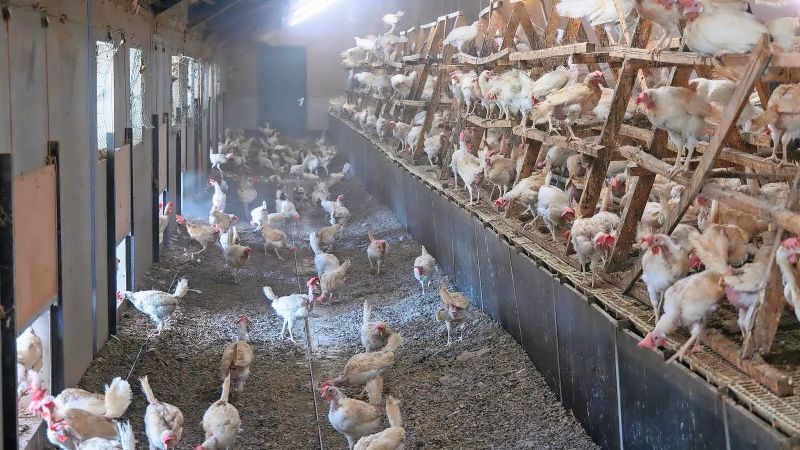
The recovery of this disease-free status marks a significant step for Argentina’s poultry industry, not only from a sanitary perspective but also for international trade. Photo: Koos Groenewold
Poultry trade revival
The recovery of this disease-free status marks a significant step for Argentina’s poultry industry, not only from a sanitary perspective but also for international trade. In practice, it allows the country to restart negotiations with importing nations that had suspended or restricted purchases of Argentine poultry products following the virus’s re-emergence.
According to Senasa, the declaration submitted to WOAH details every action implemented since the first suspected cases were identified on commercial farms. The report includes epidemiological surveillance measures, containment procedures established under Resolution No. 466/2025, and sanitary operations conducted after the outbreaks were confirmed.
WOAH-compliant health status
The 4 outbreaks occurred in the municipalities of Ranchos, Lobos, and Bolívar in Buenos Aires Province, and Alejo Ledesma in Córdoba Province. Authorities carried out depopulation procedures, disposal of infected material, and the cleaning and disinfection of affected facilities before closing the cases.
With no further outbreaks recorded in commercial operations during the mandatory waiting period, Argentina regained the sanitary conditions required under Article 10.4.6 of the WOAH Terrestrial Animal Health Code.
Pivotal step
For the poultry sector, recovering this status represents far more than a technical achievement. Argentina’s export-oriented poultry chain depends heavily on sanitary recognition from international bodies and importing countries. Without that recognition, many destinations automatically suspend imports of poultry meat, eggs, and related products.
Carlos Sinesi, executive director of the Centro de Empresas Procesadoras Avícolas (CEPA), welcomed the decision. “From the poultry industry, we received with great satisfaction the news communicated by Senasa regarding the restitution of Argentina’s status as a country free from HPAI,” he said.
According to Sinesi, the measure represents “a fundamental step to continue our export path and move forward with the reopening of international markets for Argentine poultry products, while also working on zoning agreements in destinations where such arrangements are not yet in place.”
He added that the restored sanitary recognition puts the industry back in a position to contribute foreign currency revenues and sustain employment throughout Argentina’s poultry-producing regions.
“This achievement allows us to continue contributing to the growth of the Argentine economy, adding value at origin and generating the foreign exchange income the country needs,” Sinesi stated, while also praising the technical work carried out by Senasa.
The ongoing challenge
Despite this positive development, industry representatives acknowledge that regaining disease-free status does not mark the end of the challenge. Instead, it begins a new phase centered on permanent surveillance and biosecurity.
“It is extremely important that communication campaigns are implemented and reinforced so that all actors in the chain adopt the necessary preventive measures,” Sinesi warned.
In a global poultry market where a single new outbreak can trigger immediate trade suspensions, biosecurity has become a shared responsibility involving producers, processors, and sanitary authorities alike.
Since 2023, Argentina has faced three major episodes of export bans or restrictions on poultry products due to HPAI: first in 2023, again in 2025, and now in 2026. The most severe case occurred in 2023, when China suspended imports for nearly two years following the country’s first outbreak on a commercial poultry farm. In 2025, new outbreaks triggered restrictions from China, the European Union, Chile, and other markets.
Senasa also highlighted that poultry exports continued, at least partially, during the outbreak period thanks to agreements with countries and trade blocs recognizing zoning, regionalisation, and compartmentalisation criteria. These mechanisms allow trade to continue from unaffected areas even when isolated outbreaks are detected within a country.
Daniel Azevedo
Source: foodagribusiness (08/06/2026)