Kenyan researchers test garlic allicin as antibiotic alternative in broilers

Researchers in Kenya are evaluating the use of allicin, a bioactive compound derived from garlic (Allium sativum), as a natural alternative to in-feed antibiotics in broiler production, with trials conducted under local tropical production conditions.
The work forms part of broader efforts in Kenya to identify locally-available phytogenic feed additives that can support poultry health and performance while reducing reliance on antimicrobial growth promoters.
Focus on gut health and performance under tropical conditions
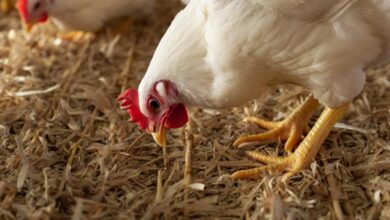
According to the research team, the trial uses broiler chickens (Ross 308 strain) to assess the effects of garlic-derived allicin on growth performance, gut health, and carcass quality under Kenyan production conditions, where smallholder and medium-scale producers face recurring challenges linked to feed costs, disease pressure, and limited access to veterinary inputs.
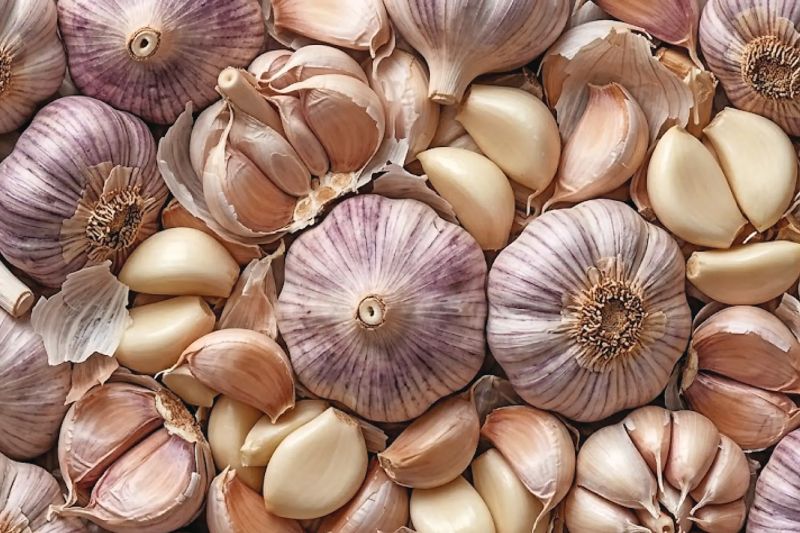
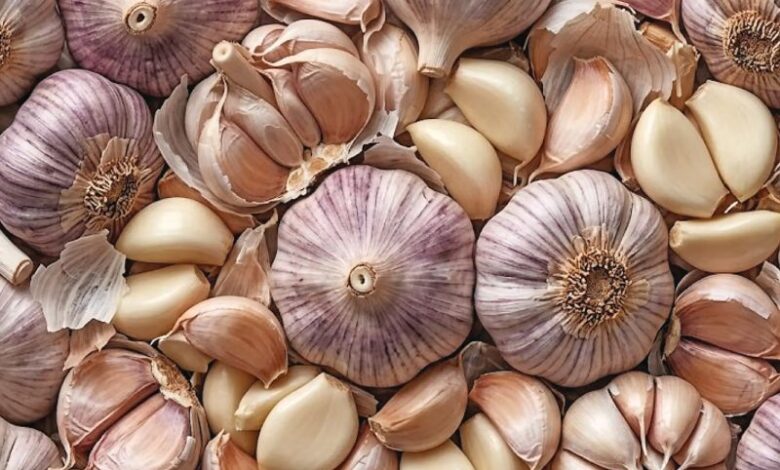
Could Kenyan research into garlic-derived allicin help reduce antibiotic use in broiler production? Image created with the help of AI (Gemini)
Allicin is produced when garlic is crushed or chopped, triggering enzymatic conversion of alliin into biologically-active sulfur compounds. These compounds are widely studied for their antimicrobial, antioxidant, and anti-inflammatory properties, which are considered relevant in poultry nutrition systems seeking antibiotic reduction strategies.
Previous scientific literature indicates that garlic-based compounds may influence feed intake, nutrient utilisation, immune response, and intestinal microbial balance, all of which are key drivers of broiler productivity and resilience in high-stress production environments.
Early findings align with global shift away from antibiotics
Early experimental findings from the Kenyan trial align with broader international research showing that garlic and its derivatives can improve growth parameters and gut health in poultry, although results can vary depending on dosage and formulation.
A related peer-reviewed study conducted under Kenyan conditions reported that allicin supplementation influenced growth rate, feed conversion ratio, and intestinal morphology, with improved performance indicators compared to unsupplemented control diets.
Researchers also note that while phytogenic additives show promise as antibiotic alternatives, optimal inclusion levels and delivery methods remain critical to ensure consistent results and avoid potential adverse effects observed in some high-dose trials in poultry research globally.
Part of wider push for sustainable poultry nutrition
The Kenyan research contributes to a growing body of work in Africa and globally exploring natural growth promoters such as plant extracts, essential oils, and bioactive compounds as part of sustainable poultry production systems.
If successfully validated at scale, allicin-based feed strategies could provide a locally accessible and cost-effective tool for improving broiler health and performance, particularly in regions where feed efficiency and disease management remain key constraints.
Natalie Kinsley
Source: foodagribusiness (26/05/2026)