New research suggests that specific yeast-derived feed components may help reduce the impact of Porcine Reproductive and Respiratory Syndrome (PRRS) in weaned piglets, including fever, inflammation, viral load and mortality.
In a study recently published in the Journal of Animal Science, researchers from Phileo by Lesaffre found that piglets given a yeast cell wall fraction had reduced fever and inflammation after being challenged with PRRS virus. A separate yeast beta-glucan fraction was associated with reduced viral load and mortality.
PRRS continues to cause major losses in pig herds worldwide. In the US pork industry alone, the disease is expected to cost about $1.2 billion (€1,03 billion) this year.
Efforts to control PRRS are ongoing on several fronts. Last year, for example, gene-edited pigs resistant to PRRS were approved for sale in both Canada and the US, with market entry expected this year. In Europe, Denmark is moving closer to eliminating PRRS from its national herd through disease modelling efforts.
The new research provides further insight into possible treatment and management strategies for the disease.
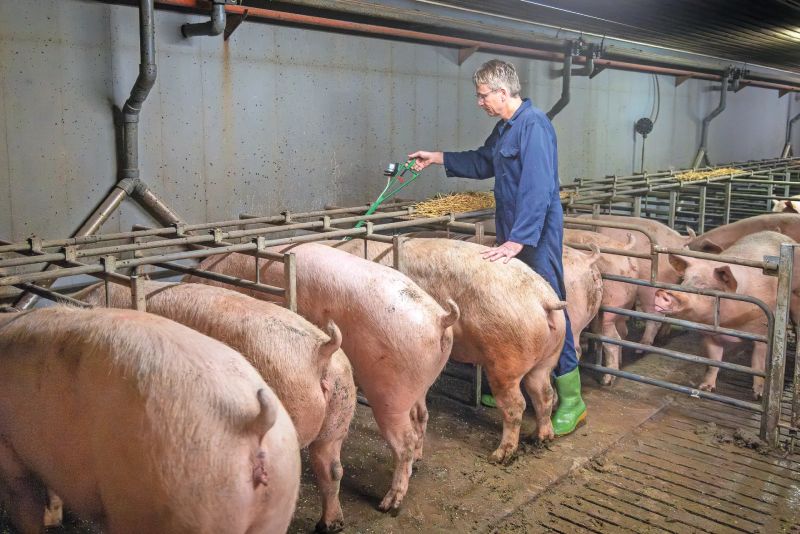
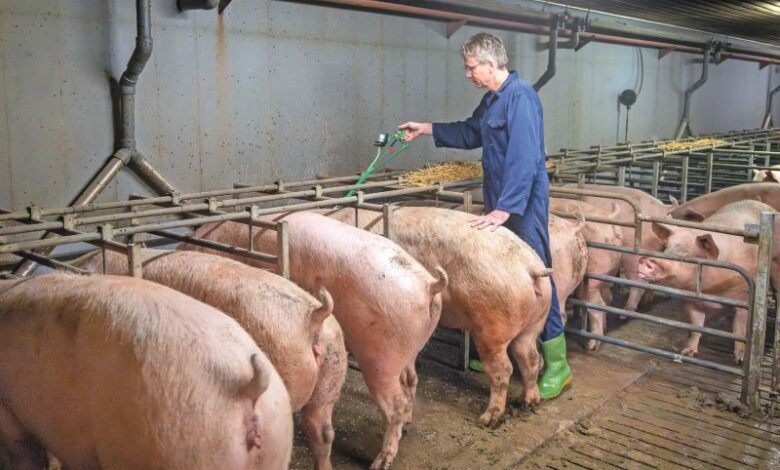
A veterinarian vaccinates sows. PRRS remains a costly disease for the pig industry worldwide. Photo: Koos Groenewold
Benefits of yeast
The Phileo by Lesaffre study focused on yeast-derived compounds. The cell walls of yeast, as well as those of other microbes, contain non-starch polysaccharides known as beta-glucans. These compounds can have positive effects on the intestinal health of nursery pigs through their activation of receptors.
Yeast and microbial cell walls also contain mannans, or mannan oligosaccharides. These compounds may also support pig health by increasing immune cell counts and reducing inflammation during infections.
Study details
Nursery piglets, weaned at 21 days of age from PRRS virus-free sow herds, were randomly assigned to 1 of 5 treatment groups. From 0 to 42 days post-weaning, some piglets received a diet supplemented with a yeast cell wall fraction containing mannans and beta-glucans at about 20% each (YCW). Others received a 50% yeast beta-glucan fraction without mannans (BG), active dry yeast (ADY) or a 3-strain Bacillus probiotic blend (BAC). On day 14, all piglets were challenged with PRRS virus strain 1-4-4.
Piglets that received YCW showed reduced fever and inflammation, while BG helped reduce viral load and mortality. More specifically, piglets supplemented with YCW had significantly lower body temperature on day 6 post-challenge and improved body weight gain from days 15 to 21. Piglets supplemented with BG had a numerically lower blood PRRS viral load.
Secondary infection control
PRRS infection can also coincide with the presence of other disease-related bacteria. A second study, also recently published in the Journal of Animal Science, examined which bacteria were present in PRRS-negative and PRRS-positive pigs.
Researchers from Purina Animal Nutrition, Land O’Lakes and NutraBlend noted that identifying these bacteria “may provide insights into the potential strategies for secondary bacterial management and PRRS virus mitigation”.
In PRRS-negative pigs, the main bacteria identified were Streptococcus, Glaesserella, Segatella and Filobacterium. In PRRS-positive pigs, the most commonly detected bacteria were Mesomycoplasma, Clostridium and Trueperella.
Treena Hein
Source: foodagribusiness