The European Commission has launched an investigation into the alleged dumping of Peking duck imports from China. The move follows a complaint lodged by 5 Peking duck producers in the European Union, according to an official announcement by the European Commission.
The complainants claim that the volume and pricing of imported duck have negatively affected, among other things, sales volumes, price levels and the EU industry’s market share.
The investigation covers Peking duck meat in a wide range of forms, including whole birds, cuts, fresh, chilled, frozen, salted, in brine, dried, smoked, bone-in, boneless and other prepared or preserved Peking duck meat.
The Commission is examining import and market data for 2025 to determine whether dumping has taken place.
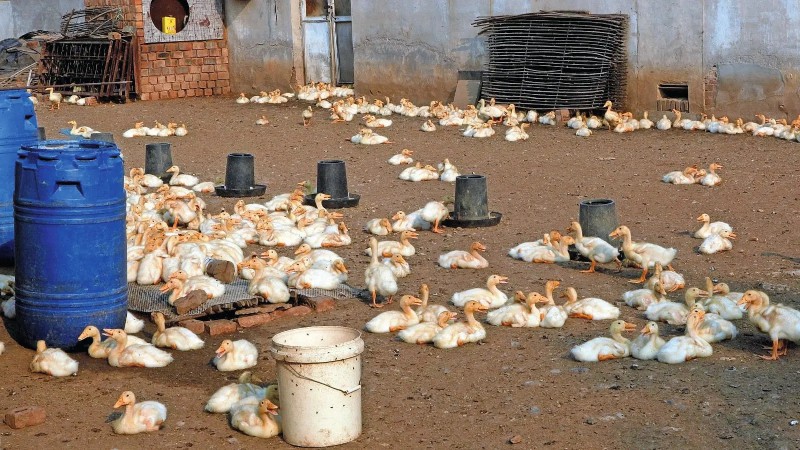
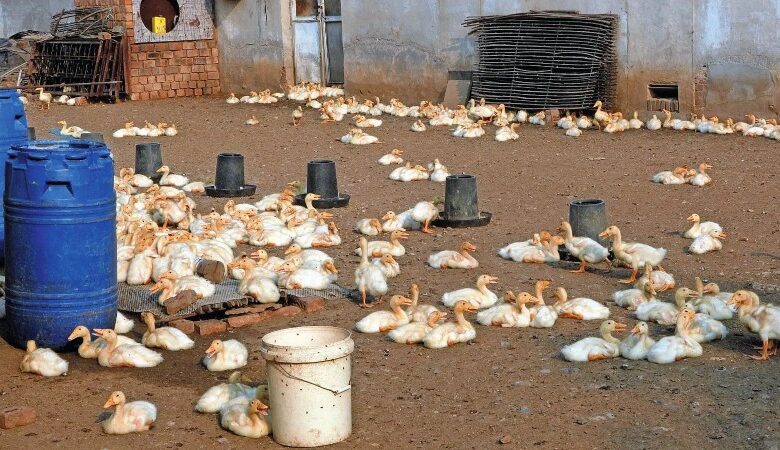
The European duck market is worth around €800 million annually, of which approximately €200 million consists of imports from China. Photo: Henk Riswick
Chinese exports have grown rapidly
The European duck market is worth around €800 million annually, of which approximately €200 million consists of imports from China, according to figures from the French poultry industry.
Chinese exports to the EU have increased significantly in recent years, partly following a shift by Chinese producers from pork to poultry production after major outbreaks of African swine fever (ASF). China’s annual duck production is estimated at between 3.5 billion and 4 billion birds.
Claims of market distortions
The complainants argue that domestic prices and production costs in China should not be used as a benchmark because of significant market distortions.
According to the complaint, Chinese duck producers benefit from extensive state support, including subsidies for land, energy, capital, raw materials and labour. EU producers also point to government support for regional feed production clusters, including subsidies for local soybean processing facilities and compound feed mills, particularly in provinces such as Shandong.
“As a result, the allegation of dumping is based on a comparison of a normal value constructed at the ex-works level on the basis of production and selling costs reflecting undistorted prices or benchmarks, with the export price (at ex-works level) of the product under investigation when sold for export to the Union,” the Commission’s announcement states.
Possible import duties
Based on the information available, the European Commission considers there is sufficient evidence that significant distortions affecting prices and costs make it inappropriate to use domestic Chinese prices and costs in the investigation.
If the investigation concludes that dumping has occurred and that it has harmed the EU industry, the Commission may impose anti-dumping duties on imports of Peking duck from China.
Ruud Peijs