The European Union’s anti-dumping probe into Chinese frozen Beijing duck imports has ignited an angry backlash in China, where poultry industry representatives accuse Brussels of hypocrisy and double standards.
While the investigation targets a niche product destined largely for Chinese restaurants across Europe, producers warn it could mark the opening salvo in a much broader trade dispute over poultry.
The Beijing duck case represents “a frenzied attack” on Chinese imports, launched in response to a growth the EU’s trade deficit with China, local agricultural analyst Zhang Zhiyu wrote in a blog post.
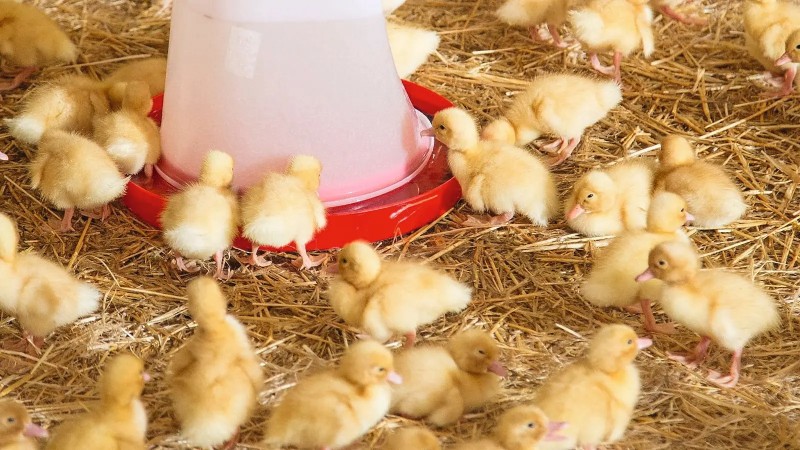
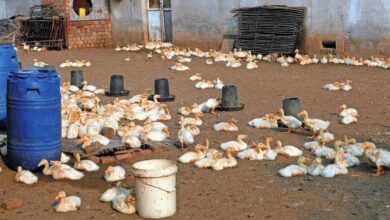
Duck production in China has become highly efficient, with lower production costs underpinning its competitiveness. Photo: Koos Groenewold
In 2025, the EU’s trade deficit with China reached €359.8 billion, and in the first quarter of this year, the figure reached €98 billion, Zhiyu said, citing official trade figures.
China accounts for roughly a quarter of the European duck market valued at €800 million in 2025, Zhiyu said. While trade volumes are small, the dispute is largely seen as an attempt to counterbalance China in agricultural trade.
However, the restrictions could be quite painful, as the EU represents an important and premium market for the Chinese duck exports.
Structural advantages
China’s poultry industry also strongly disagrees with the Brussels claim that the strong Beijing duck competitiveness is attributed to state subsidies.
The EU says it launched the anti-dumping investigation into Chinese “Beijing duck” imports because they are being sold at unfairly low prices, which is essentially not true, Hou Zhuocheng, chairman of the Poultry Science Branch of the Chinese Association of Animal Science and Veterinary Medicine, told the Global Times, a local business publication.
According to Zhuocheng, China’s price advantage reflects lower production costs rather than dumping practices, and stems from the structural strengths of the country’s duck industry.
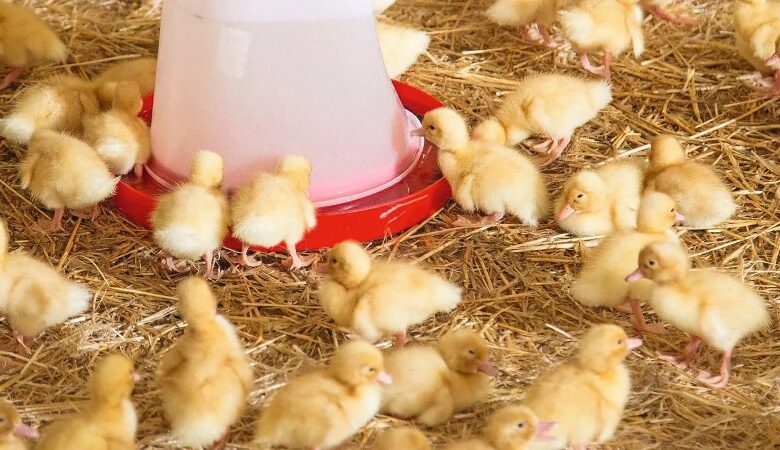
Zhuocheng said the vast majority of ducks raised in China are Cherry Valley ducks, which reach slaughter weight in just 35-40 days. With a feed conversion ratio of 1.6 – 1.8 kg of feed per kg of meat, production costs are as low as around 2.5 yuan (US$0.35) per kg. By comparison, he said, European native duck breeds have longer grown cycles, poorer feed conversion rates and higher production costs.
What is being investigated?
Chinese industry representatives have also questioned the scope of the investigation, arguing that the products targeted by Brussels do not match the duck meat China actually exports to the EU.
In a statement issued on 14 July, the China Chamber of Commerce for Foodstuffs and Native Produce announced that it had convened a special coordination meeting to respond to the EU probe. The Chamber said all duck products exported from China to the European market are sourced from Cherry Valley ducks rather than the traditional Beijing duck breed named in the investigation, suggesting there is a fundamental mismatch between the products under investigation and the composition of Chinese exports.
Vladislav Vorotnikov
Source: foodagribusiness (30/7/2026)
ALSO READ:
EU launches anti-dumping investigation into Chinese Peking duck imports