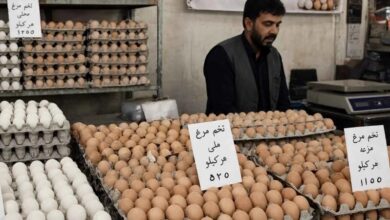
A dramatic rise in imported eggs produced to significantly lower food safety and hen welfare standards is creating what industry leaders warn is an escalating threat to UK consumers and the wider food sector.
According to the new Shell Shocked report from the British Egg Industry Council (BEIC), UK egg imports have surged by 60% since 2021 from around 1 billion to 1.6 billion eggs annually. Ukraine now accounts for a major share of that growth, with exports to the UK up 65.6% in 2025 alone. Most of these eggs are produced in conventional battery cages, a system banned in the UK since 2012.
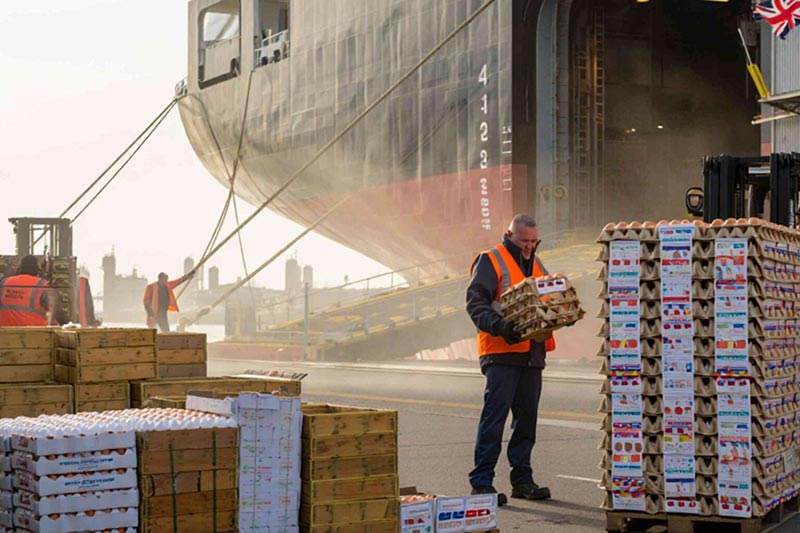
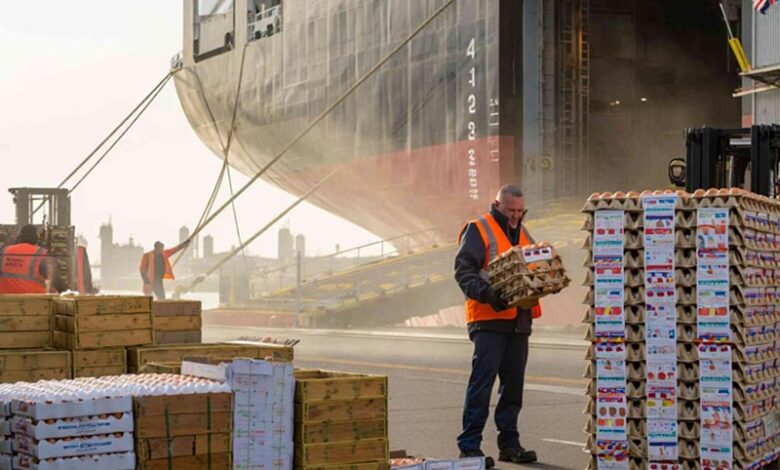
A new report notes that UK egg imports have surged by 60% since 2021. Image created with the help of AI (Reve)
Industry leaders say the flood of low-standard imports is increasingly undercutting British eggs produced under the world-leading British Lion Code of Practice, which covers more than 90% of UK production. The scheme provides strict requirements including Salmonella vaccination and higher welfare standards.
Health and safety concerns
The report also highlights a concerning increase in food safety incidents linked to imported eggs across Europe. In late 2025, 123 illnesses in the UK were traced to a single imported egg distributor. Other recent cases include banned antibiotic residues found in Ukrainian eggs entering EU markets, continuing Salmonella investigations in Sweden associated with Ukrainian imports, and more than 200 UK cases in 2024 linked to Polish eggs.
Nick Allen, BEIC chief executive, said the findings paint a stark picture: “This report highlights the real and urgent risks that inferior imports pose for consumers and the wider food industry. Allowing lower-standard imports to undercut UK egg producers risks undermining consumer safety, public confidence in eggs and the resilience of our domestic food supply.”
Inadequate border checks
Food safety expert Dr Lisa Ackerley, who reviewed import controls for the report, said current border checks are inadequate. “Most consignments are not physically inspected, testing is risk-triggered rather than systematic, and sampling frequencies are not publicly disclosed. As a result, contamination or residues may only be identified once illness occurs or overseas alerts are issued.”
She also noted that British Lion eggs are approved by the Food Standards Agency for vulnerable groups to consume runny – an assurance that does not apply to imported eggs.
The Shell Shocked report is calling on retailers, manufacturers, and foodservice operators to re-examine their sourcing policies and strengthen traceability requirements to avoid inadvertently compromising food safety. It also urges the government to align import standards with UK rules and introduce more robust border inspection regimes.
The debate comes amid growing wider concern about lower-standard food imports. UK celebrity Jeremy Clarkson recently criticised the use of imported chicken from China and Thailand in some Welsh schools, arguing that domestic producers adhering to strict standards are being undermined.
With imports rising and food safety incidents mounting, the BEIC insists the government must act quickly to protect both consumers and the integrity of British egg production.
Tony McDougal
Source: PW (10/04/2026)