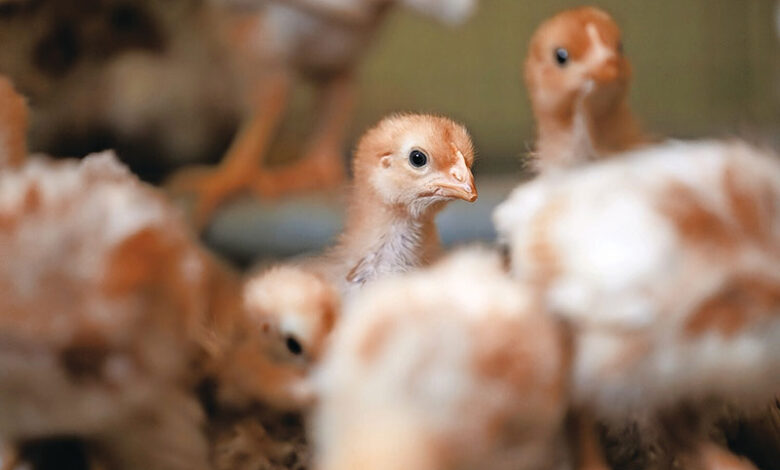
Over the past several weeks, Iranian farmers have reportedly been forced to sell around 25 million chicks before they reached 50 weeks of age, after feed prices nearly quadrupled following the outbreak of war involving the US and Israel. The figure was reported by Nasser Nabipour, chairman of the board of directors of the Qazvin Province Laying Chicken Chain, speaking to local publication Tabnak.
Iran’s poultry industry, already struggling at the beginning of the year, is now facing a severe and rapidly worsening crisis that threatens the viability of farms across the country. According to Nabipour, many poultry producers may be forced to suspend operations by the end of the year if current market conditions persist.
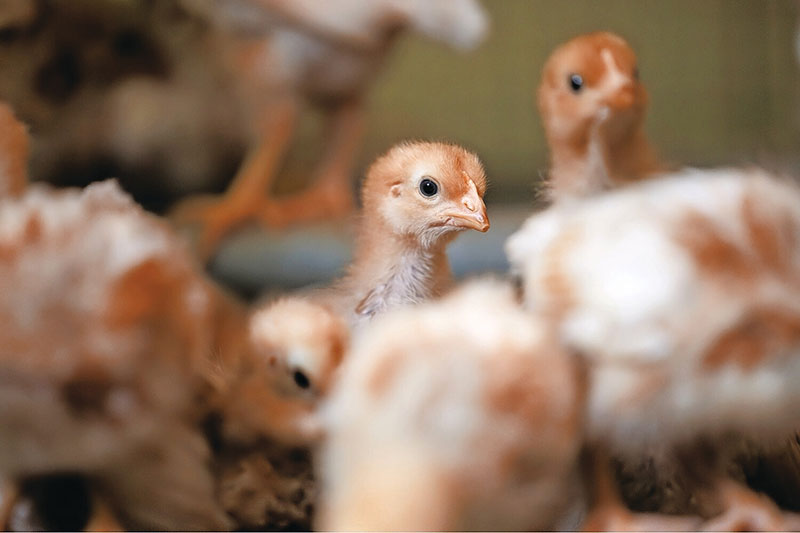
Rising feed costs have reportedly forced Iranian farmers to market millions of chicks earlier than planned. Photo: Boerderij Redacteur
Climbing interest rates
Farmers are under pressure on multiple fronts. The most immediate challenge is a worsening liquidity squeeze, with interest rates on bank loans reportedly climbing as high as 110% amid turbulence in the financial system, Nabipour said. Access to affordable credit has become increasingly limited, leaving producers with few options to finance day-to-day operations.
The Iranian government has repeatedly promised to support poultry farmers through soft loans and other relief measures, but with state financial and administrative resources stretched, there has recently been little sign of concrete assistance reaching the sector.
Such costly borrowing could devastate farmers who lack working capital and depend on loans to keep their businesses running. “Which industry in the world can survive with such interest rates?” Nabipour said.
Costs up, production down
As a result of the feed crisis, poultry farmers are being forced to sharply reduce production. “Farmers who used to buy 500 tonnes of feedstuff can now purchase only 10 to 15 tonnes,” Nabipour added.
Amid soaring inflation, wages and transportation costs have risen by nearly 60%, Tabnak reported, citing estimates from the Tehran Laying Chicken Union. Supply disruptions have also hit the feed additive market. According to the publication, the price of some additives has nearly tripled compared with last year, largely due to the ongoing war and disrupted trade flows.
Market control
On top of these pressures, the Iranian government continues to cap farmgate prices, which Nabipour said significantly limits farmers’ profitability and their ability to recover rising costs.
Iranian poultry farmers have openly criticised the system as unfair, noting that egg prices can triple before reaching grocery shelves because of a network of middlemen that authorities have been unable to control.
“The government does not have the power to suppress middlemen, but it does have the power to force producers [to keep prices low],” Nabipour said.
Vladislav Vorotnikov
Source: PW (07/05/2026)