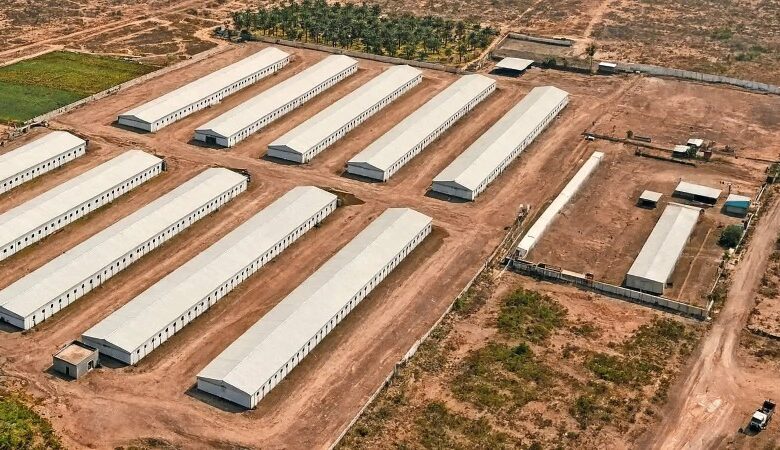
Iraq’s poultry sector is set for a new push toward self-sufficiency as the Ministry of Agriculture unveils a package of measures aimed at expanding local production and cutting dependence on imports.
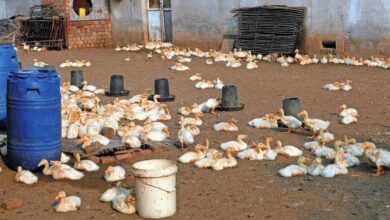
In a statement on its website, the Ministry said that the poultry industry in the country suffers from high production costs, particularly attributing the problem to the rising prices of feed and veterinary medicines. Other obstacles, the Ministry added, include disease outbreaks, low productivity of local birds and competition from imported poultry products, which are sometimes smuggled into the country.
“Sometimes they [imported poultry products] enter the market at lower prices and undermine the competitiveness of domestic producers,” the Ministry added.
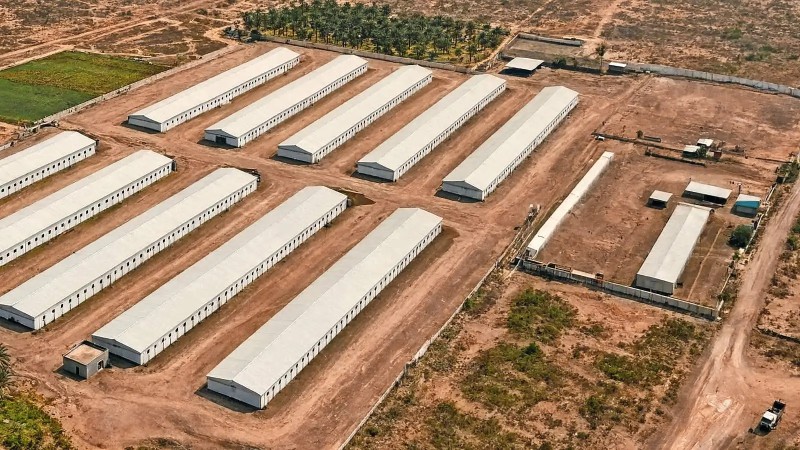
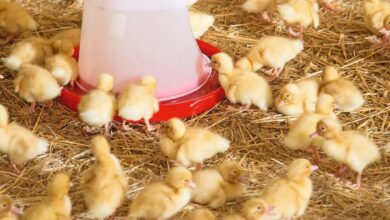
Iraq still has a long way to go before achieving self-sufficiency in poultry production, with domestic output continuing to fall well short of consumption needs. Image created with the help of AI (Reve)
A long way to self-sufficiency
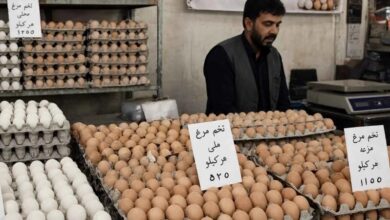
Iraq still has a long way to go before achieving self-sufficiency in poultry production, with domestic output continuing to fall well short of consumption needs. According to the Ministry, the country currently produces 5-6 billion table eggs annually, compared with domestic demand of around 9 billion eggs.
The shortfall is even more pronounced in poultry meat. Production is expected to reach around 400,000 mt in 2026, while domestic consumption needs are estimated at approximately 900,000 mt.
Iraq’s main poultry meat suppliers include Turkey, Brazil, Ukraine and the United States, while the gap in the poultry market is primarily closed by suppliers from Turkey and Iran.
Restricting poultry imports
The Ministry said it plans to support local poultry manufacturers by maintaining the restrictions on the import of whole, cut and processed chicken, introducing additional customs duties on certain imported products and strengthening controls at border crossings to curb smuggling and prevent the dumping of low-priced goods.
Iraq restricted poultry imports in January 2026, despite concerns that it can cause price hikes on the local market. A part of these fears eventually materialised in May when Iraq’s Ministerial Council for the Economy decided to lift a ban on table egg imports in an effort to stabilise food prices.
The Ministry added that it is also seeking to reduce production costs for local farmers by proposing customs exemptions for key inputs, including feed, veterinary medicines and slaughterhouse equipment.
“Unbalanced competition from imported poultry has caused substantial losses for breeders, forcing some farms to shut down and reducing employment in several provinces,” the Ministry said, adding that the decline in the number of operating farms has already had a negative impact on poultry production.
In addition, the Ministry added it is looking to support poultry projects through soft loans with low interest rates.
Vladislav Vorotnikov
Source: foodagribusiness (06/08/2026)