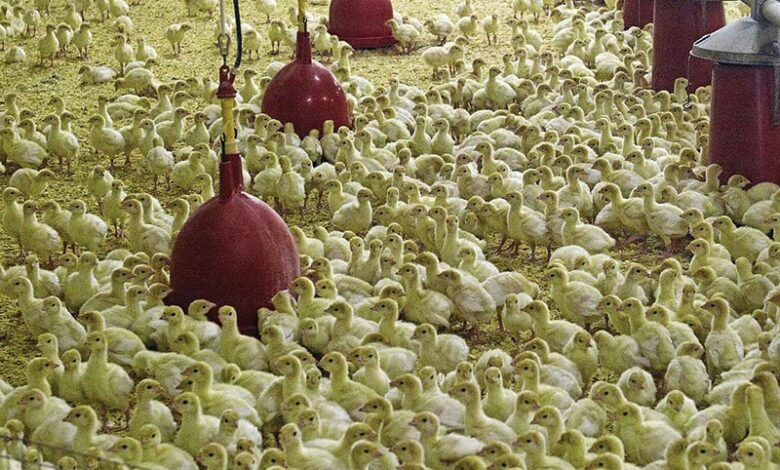
Turkey meat exports jumped 40% last year to a record 40,000 tonnes, driven by expanding sales to Africa and Asia, Anatoly Velmatov, executive director of the National Association of Turkey Producers, said at an industry event in Moscow.
Domestic production also continued to grow, rising 3.5% to 453,000 tonnes, outpacing the wider poultry sector, which expanded by an estimated 2.3% in 2025.
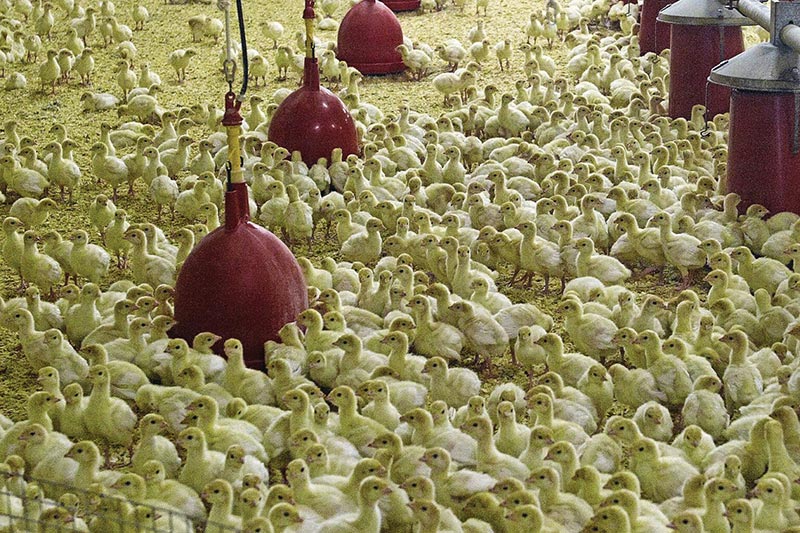
Turkey consumption in Russia reached 2.9 kg per capita last year and is projected to double over the next decade. Photo: Marcel van Hoorn
Turkey consumption in Russia reached 2.9 kg per capita last year and is projected to double over the next decade, Velmatov said.
Exports are increasingly oriented toward emerging markets. Africa and Asia accounted for 38% and 32.6% of shipments, respectively. Key African destinations included Benin, the Democratic Republic of Congo, Liberia and Angola, while Asian markets ranged from China and the Philippines to Hong Kong and Malaysia.
In neighbouring countries, Russian turkey is already successfully competing with beef, Velmatov said. A similar shift is visible domestically, where consumption of beef and lamb declined in 2025 while demand for turkey continued to rise.
Hatching egg shortage caps growth
Despite strong demand, the industry’s expansion is being constrained by a shortage of hatching eggs, a critical input for production.
“If Russia could reliably supply sufficient breeding stock to domestic parent flocks and continue sourcing additional eggs from traditional foreign suppliers, the industry could reach its previously projected output of 600,000 – 650,000 tonnes as early as this year,” Velmatov said.
However, persistent outbreaks of avian influenza and other serious diseases in key supplier countries – including the European Union, the United Kingdom, Canada and the United States – have led to a global shortage of hatching eggs.
Imports into Russia fell by nearly 20% in 2025 to 15 million eggs compared with the previous year, and were down about 40% from 2023 levels, according to Velmatov. The sector is also under pressure from labour shortages and rising costs, he added.
Broader poultry sector under pressure
More broadly, Russia’s poultry industry continues to face headwinds from a surge in imports, particularly low-cost chicken fillets from China.
Over the past 3 years, imports from China have risen by 3,600%, according to official data. Cheap frozen fillets are increasingly replacing other types of meat in the domestic processing industry, contributing to oversupply and price volatility.
Vladislav Vorotnikov
Source: PW (03/04/2026)