With reports of Newcastle disease circulating across Europe, poultry producers across the UK are being urged to step up vigilance as the virus continues its concerning westward spread.
In recent months, confirmed cases in Spain, Poland and most recently Germany have prompted the UK government to raise its risk level from low to medium – a move reflecting the heightened threat posed by migrating birds expected to cross Europe from March through May.
A new outbreak assessment published by Defra highlights a growing European disease picture and underscores the potential for the virus to enter the UK via wild birds or indirect transmission routes. The reminder for strong disease prevention could not come at a more crucial moment.
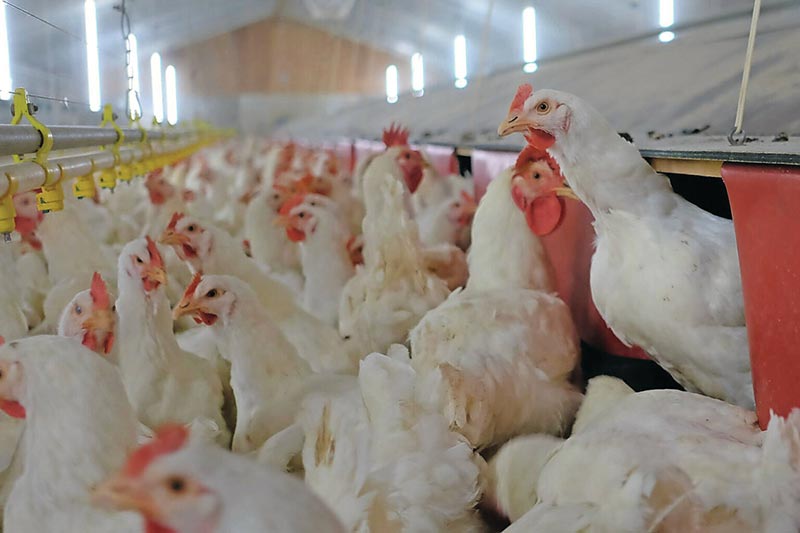
NFU Poultry board chair Will Raw warned that producers cannot afford to let their guard down. Photo: Boerderij
Expert warnings on biosecurity
NFU Poultry board chair Will Raw warned that producers cannot afford to let their guard down. “We know only too well that the risk of disease transmission from wild birds to poultry is a real one,” he said. “Protecting the national flock is always our highest priority and we urge all bird keepers to continue following strict biosecurity measures and ensure vaccination for Newcastle disease is implemented as appropriate.”
Understanding Newcastle disease
Newcastle disease, caused by avian paramyxovirus serotype 1, affects chickens and a wide range of other birds. The clinical signs can vary from mild respiratory issues to severe neurological symptoms and sudden, high mortality, making rapid identification essential. While well-cooked poultry products remain safe for consumers, the disease is notifiable, meaning any suspicion must be reported to authorities immediately.
Lessons from UK outbreaks
Memories of earlier UK outbreaks remain vivid for those who experienced them. In the 1970s, the Essex 70 virus caused over 7,000 cases, while in 1997, 15 broiler and turkey outbreaks were linked to severe winter conditions and migratory birds. A single Scottish gamebird case was recorded in 2006. The resurgence of outbreaks in continental Europe is a reminder that this virus has not lost its capacity for disruption.
Prevention is key
Dave Hodgson of Rosehill Poultry said he recently discussed the unfolding situation with Dr Richard Irvine, chief veterinary officer for Wales. “It was refreshing to see the level of seriousness he approached this outbreak with,” Hodgson said. Reflecting on past outbreaks, he added: “It can’t be underestimated how serious the implications of this disease are… Gold standard biosecurity has never been more important. Vaccination must also be carried out effectively, and the UK has an outstandingly high level of technical competence in the rearing industry.”
Vaccination against Newcastle disease
Biosecurity and vaccination remain the cornerstones of disease prevention. Commercial layers, breeders and turkey producers typically follow robust vaccination programmes involving multiple live vaccines and a final inactivated dose before point of lay. Nonetheless, some affected flocks in Europe had been vaccinated, prompting questions about whether incorrect administration or poor protocol adherence may have reduced effectiveness.
Stay calm, stay secure
Ian Jones, British Free Range Producers Association board member and director at Hafren Veterinary Group, warned that the increasing number of affected flocks in Germany and Poland is concerning, particularly as the virus may continue spreading westward. “Commercial laying farms can reduce risk of infection by greatly enhanced biosecurity, just as we do to protect against avian influenza,” he said. “But don’t panic (yet) – keep your biosecurity standards high, review who can come to your premises and keep an eye on the news.”
How the virus spreads
Newcastle disease can spread via direct contact with infected birds or indirectly via contaminated objects such as vehicles, equipment, clothing, water or feed. Unlike avian influenza, which is most commonly associated with waterfowl, Newcastle disease has a broader host range that includes pigeons, crows, gulls and other species. This increases the difficulty of prevention and highlights the importance of strong on-farm practices.
Call for proactive defence
Producers are advised to ensure full compliance with vaccination schedules, reduce visitor access to farms, maintain stringent cleaning protocols and act immediately on any unusual signs. Placing footdips at poultry house entrances, ensuring vehicles are cleaned and disinfected, and clearing feed spills promptly to deter wild birds are all essential components of prevention.
The message from industry experts is clear: vigilance, not complacency. While vaccination programmes across the UK’s commercial flocks offer a strong layer of protection, the rise to a medium national risk level should prompt all producers to review biosecurity and contingency plans. With migratory bird movements underway and outbreaks escalating across Europe, proactive prevention remains the best defence.
Tony McDougal
Source: PW (02/04/2026)