When temperatures soar and calves face hotter days, this impacts their productivity, growth, and immune function. Input from farmers and the right strategies ensure calves remain comfortable and pave the way for improved lifetime performance.
The thermal-neutral zone is the temperature range where calves can maintain their body temperature without expending extra energy. However, outside of this zone is when calves need to use extra energy to support its body to maintain core temperature from getting too hot or too cold.
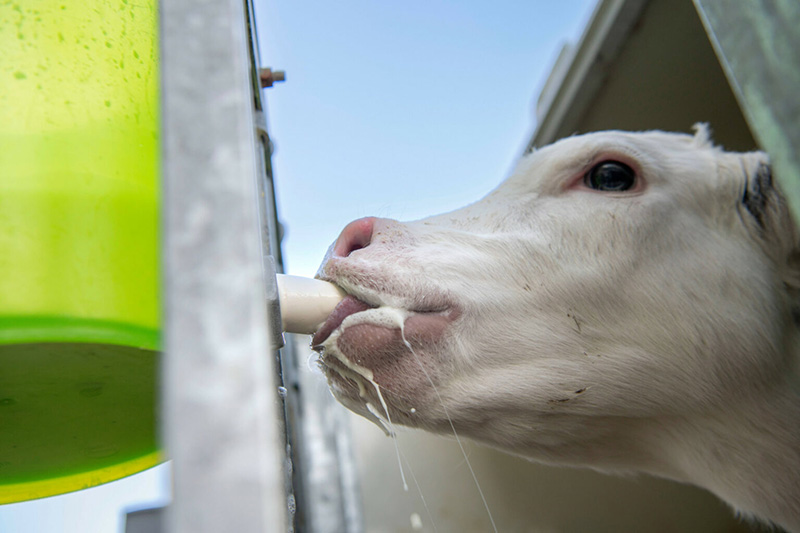
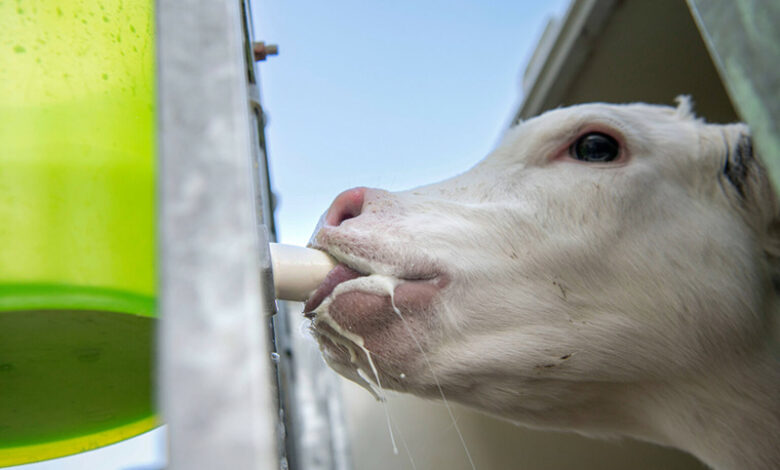
To combat heat stress, calves can be fed more calories to support energy for growth by increasing milk solids or milk volume, which will boost immune function and help calves cope better. Photo: Mark Pasveer
According to Tina Kohlman, Agriculture Educator at the Fond du Lac Extension Office at the University of Wisconsin, calves divert energy to thermoregulation during heat stress. This reduces resources for growth and immunity, lowering productivity and increasing disease susceptibility.
As the warmer months approach, it is vital to watch for signs of heat stress in calves. A strategy should be in place to deal with the warmer days – as the temperatures climb, so too should the care for calves. Calves have an upper critical limit of 25°C, however, they can start to feel the effects of heat stress from as low as 20°C. Kohlman says that indications of discomfort can be seen and early signs of heat stress in calves include:
- Less movement
- Lower feed intake
- Replenished fluids will lead to more water intake
- Open mouth panting
- In severe cases dehydration, and in extreme cases possible death
What can dairy farmers do to make sure that their calves are maintaining their energy for growth and productivity? Some strategies to mitigate heat stress in calves include:
- Monitor temperature in housing
- Shade over the hutches – to be placed higher so it does not interfere with airflow
- Nutrition – feeding more calories to support energy for growth by increasing milk volume, which will boost immune function, weight gain and help calves cope better
- Feeding more often – 3 to 4 times per day which can increase weight gain and productivity over the lifetime
- Ventilation and airflow in individual calf barn or pens
- Bedding – sand or sawdust is another cost-effective way to dissipate heat
- Ample fresh, clean water – to help the digestion process and replace water loss through respiration and perspiration. Water should be fresh and clean to avoid bacteria growth. Water should also be kept out of direct sunlight.
- Working with calves in early part of the day when temperatures are cooler
Researchers suggests that the effects of heat stress on the dam before calving also has a negative impact on calves. Calves born to heat-stressed dams weighed 5.8 kg less at birth and 12.7 kg less at weaning than calves born to dams with access to cooling. It is therefore important stay on top of strategies that will help lessen the effects of high temperatures in dairy cows as well as calves.
Zana van Dijk
Source: dairyglobal 25/02/2026