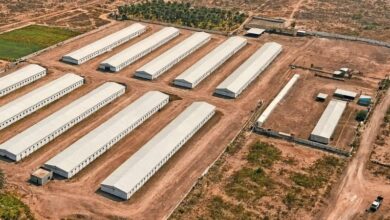
Argentina has confirmed a new outbreak of avian influenza at a commercial breeding farm near Buenos Aires, prompting the immediate closure of the facility and raising fresh concerns just months after the country regained its avian influenza-free status.
Argentina’s National Service for Agri-Food Health and Quality (Senasa) confirmed on Tuesday, 24 February, a new outbreak of avian influenza at a commercial breeding farm in the municipality of Ranchos, 120 km from Buenos Aires.
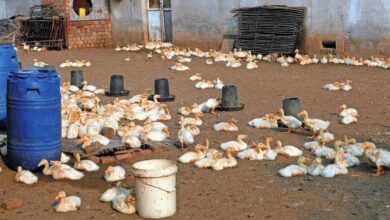
The incident reportedly involved “high mortality” among birds, although the total number was not specified. In line with contingency plan guidelines, the agency ordered the immediate closure of the establishment.

A new avian influenza outbreak has been confirmed at a commercial poultry breeding farm in Ranchos, about 120 km from Buenos Aires in Argentina. Photo: Senasa
Argentina had declared itself free of the disease in October 2025, following another case in commercial poultry that was reported in August of the same year.
The country recorded an 8% increase in poultry meat exports in the most recent reported period (January-August 2025), reaching 112,000 tonnes and generating US$160 million. The main export destinations are China, South Africa, Chile and Hong Kong.
In the first half of 2023, Argentina had already suspended exports due to the disease, with estimated losses of US$160 million. That outbreak led to the death or culling of more than 2.2 million birds across 13 farms.
Regional concern
In neighbouring Uruguay, the Ministry of Livestock, Agriculture and Fisheries (MGAP) declared a health emergency on Tuesday after detecting H5 avian influenza in wild birds in Canelones, Maldonado and Rocha, in the south and east of the country.
In November 2025, Brazil and Argentina agreed on the mutual recognition of their official zoning and compartmentalisation systems for avian influenza and Newcastle disease.
Control measures
Among the sanitary measures outlined in the plan, Senasa officials will supervise the culling and final disposal of the birds, followed by the cleaning and disinfection of the facilities.
In practice, this entails the immediate quarantine of the establishment and activation of the contingency plan.
As part of the protocol, a Sanitary Control Zone has been established, including:
- A 3 km perifocal area around the affected premises, with movement restrictions and reinforced biosecurity measures.
- An additional 7 km surveillance zone, where epidemiological monitoring and sanitary controls are being carried out.
WOAH notification
Following confirmation of the new case, Senasa will officially notify the World Organisation for Animal Health (WOAH). Exports of poultry products to destinations with which Argentina holds avian influenza-free sanitary agreements will be suspended.
If no new outbreaks occur in commercial establishments within 28 days, Argentina may once again declare itself free of the disease before WOAH and resume poultry exports.
Senasa stressed that poultry production for the domestic market remains authorised, as avian influenza is not transmitted through the consumption of poultry meat or eggs.
Daniel Azevedo
Source: poultryworld 25/02/2026